The Challenge of Inter-Island Transport
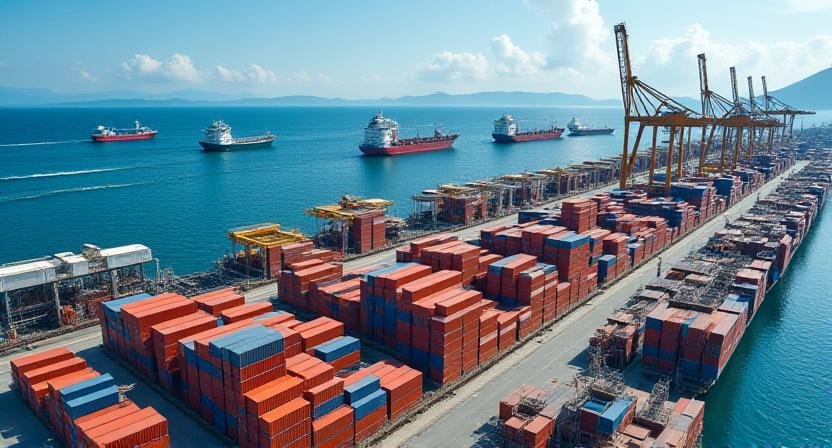
The Visayas region, while economically vibrant, presents a unique geographical challenge. With major hubs like Cebu, Iloilo, and Bacolod separated by sea, the reliance on Roll-on/Roll-off (RoRo) vessels and specialized barge services creates a supply chain sensitive to weather disruptions and port congestion. Efficient business development in these island communities requires a shift from linear logistics to a decentralized, resilient network.
Strategies for Warehousing and Inventory
To mitigate the risks of transit delays, we advise our clients to adopt a "Buffer-at-Edge" strategy. Instead of centralized warehousing in Manila or Cebu, establishing medium-scale distribution centers closer to the final consumption point ensures continuity during peak mango harvesting seasons or monsoon windows.
Smart Inventory
Predictive analytics for seasonal demand spikes in island provinces.
Localized Hubs
Strategically placed micro-warehouses in Leyte and Samar.
Leveraging Local Partnerships
Last-mile delivery in the Visayas often involves mountainous terrain or narrow coastal roads where standard cargo trucks cannot reach. Partnering with local tri-wheeled logistics cooperatives and neighborhood-level distributors is not just a social responsibility—it is a strategic necessity for market penetration.
Case Study: Panay Island Expansion
A retail client recently reduced their delivery lead times by 40% in Panay by transitioning from a single Iloilo hub to a multi-point drop system integrating Antique and Capiz via local logistics partners. By empowering local entrepreneurs, they secured a more reliable, weather-independent delivery network.